

According to the University of Wisconsin School of Medicine and Public Health, the amount of energy in any given food is dependent on its makeup of protein, carbohydrates, and fat. Carbs are performance enhancers—the best fuel for athletic endeavors or physical activity of higher intensity. Protein is key for muscle repair and growth. And, when it comes to our energy and maintenance of healthy hormone levels, healthy dietary fats are key.
Eating the proper balance of these macronutrients is essential for good health. And athletes on all levels—even the “just cheering on my team” kind—can benefit from healthier eating. To feel your best and enjoy peak performance on the playing field of your choice, follow these tips.
Eat for Energy and Endurance
Prepping for an endeavor like a 5K or rigorous tennis match? Getting the proper fuel to sustain the increased demand on your body is an important element in any training program. According to a Colorado State University report, Nutrition for the Athlete, 40 to 50 percent of the energy requirement needed in the early stages of moderate exercise comes from carbs. By the time of an event, that percentage goes as high as 70 percent of the calories consumed by endurance athletes.
You don’t have to be a competitive athlete to want energy for the long haul. These food choices are for anyone who wants to increase energy and build endurance.
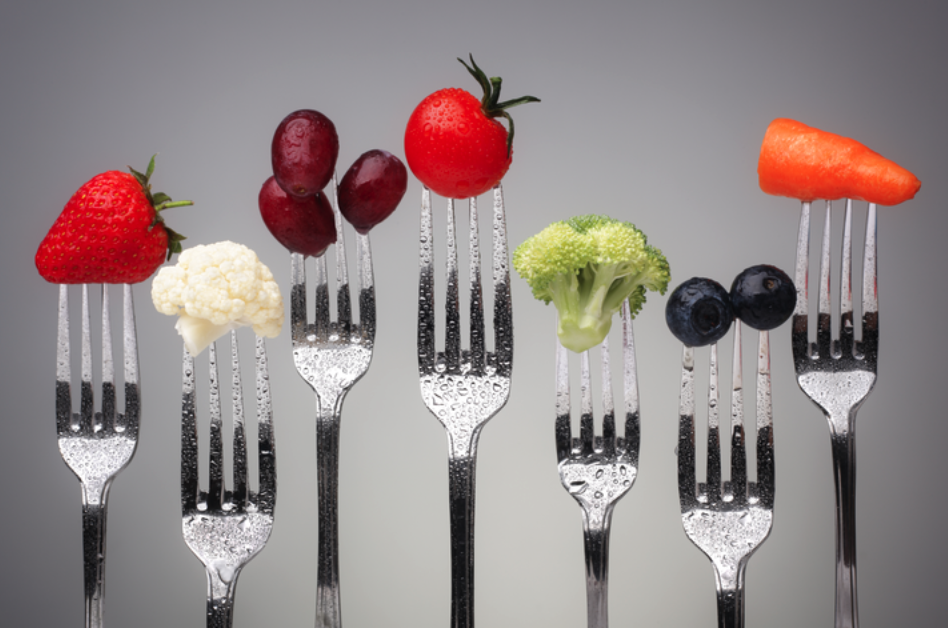
What to eat: Whole-grain cereals, pastas, breads, fruits, vegetables
What to avoid: Chips, white bread, rice
Fats are another source of energy, but their use is dependent upon the athlete’s condition and the event’s duration. The use of healthy fats as an energy source increases as duration does.
What to eat: Avocados, olives, nuts, nut butters, seeds
What to avoid: Most vegetable oils, including corn and soybean oils
Although protein provides relatively little energy, it’s necessary to an athlete’s diet because of the role it plays in building and repairing muscle.
What to eat: Lean meats, legumes, and dairy foods like milk, cheese, and eggs
What to avoid: Fried fish or chicken, fatty meats like bacon, or dairy products with added sugar, like ice cream
Eat for Peak Performance: Game Day
So, what do you eat on the day of a big game or race? To allow for digestion and that all-important energy boost, eat three to four hours prior to the event. More specifically, experts at the School of Medicine and Public Health at the University of Wisconsin Madison recommend that pre-game meals should be small—1,000 calories or less—to allow the entire meal to be digested prior to the go-time.
What to eat: Complex carbohydrates like whole grain pasta, breads, or cold cereals to provide a stable energy source for the body.
What to avoid: High sugar foods, which may lead to a crash, and fats, which take longer to digest.
What you eat after your event is almost as important as the pre-game meal. A small meal consisting of a good mix of carbs, fats, and proteins should be consumed within 30 minutes concluding your competition or workout. If you’re feeling you can’t eat that soon, opt for a protein smoothie or chocolate milk to replenish your system.
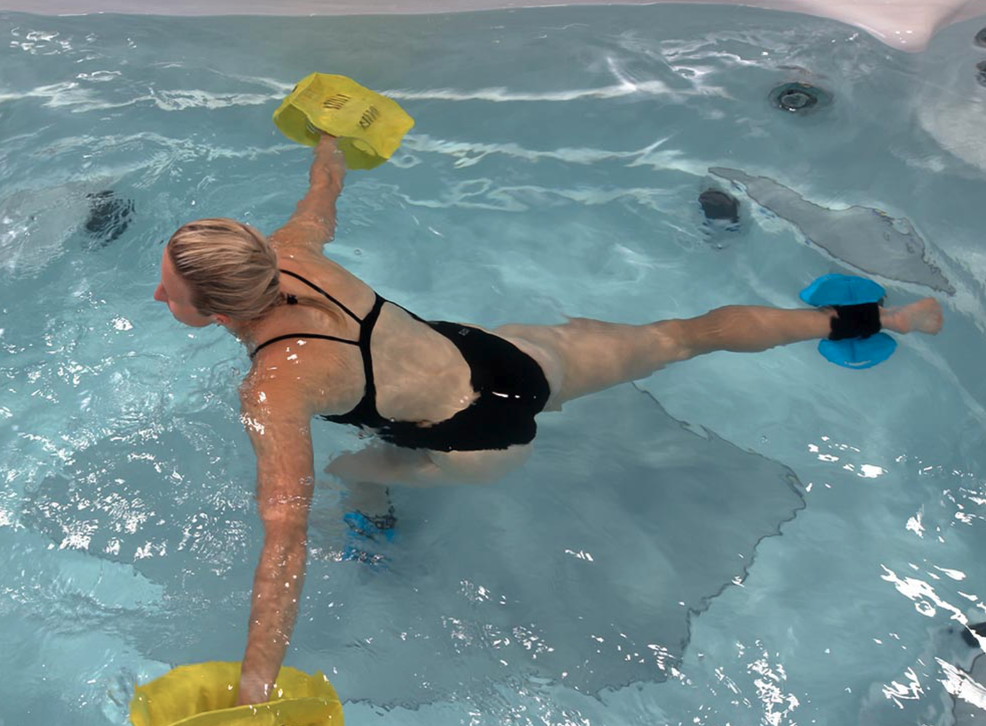
Striving for peak performance isn’t just for champion athletes. Choose the proper fuel to give your body the energy it needs for any physical activity—from swimming like Phelps to splashing in the hot tub with the family.